How ERPNext Project Management + CRM Integration Speeds Up Project Delivery
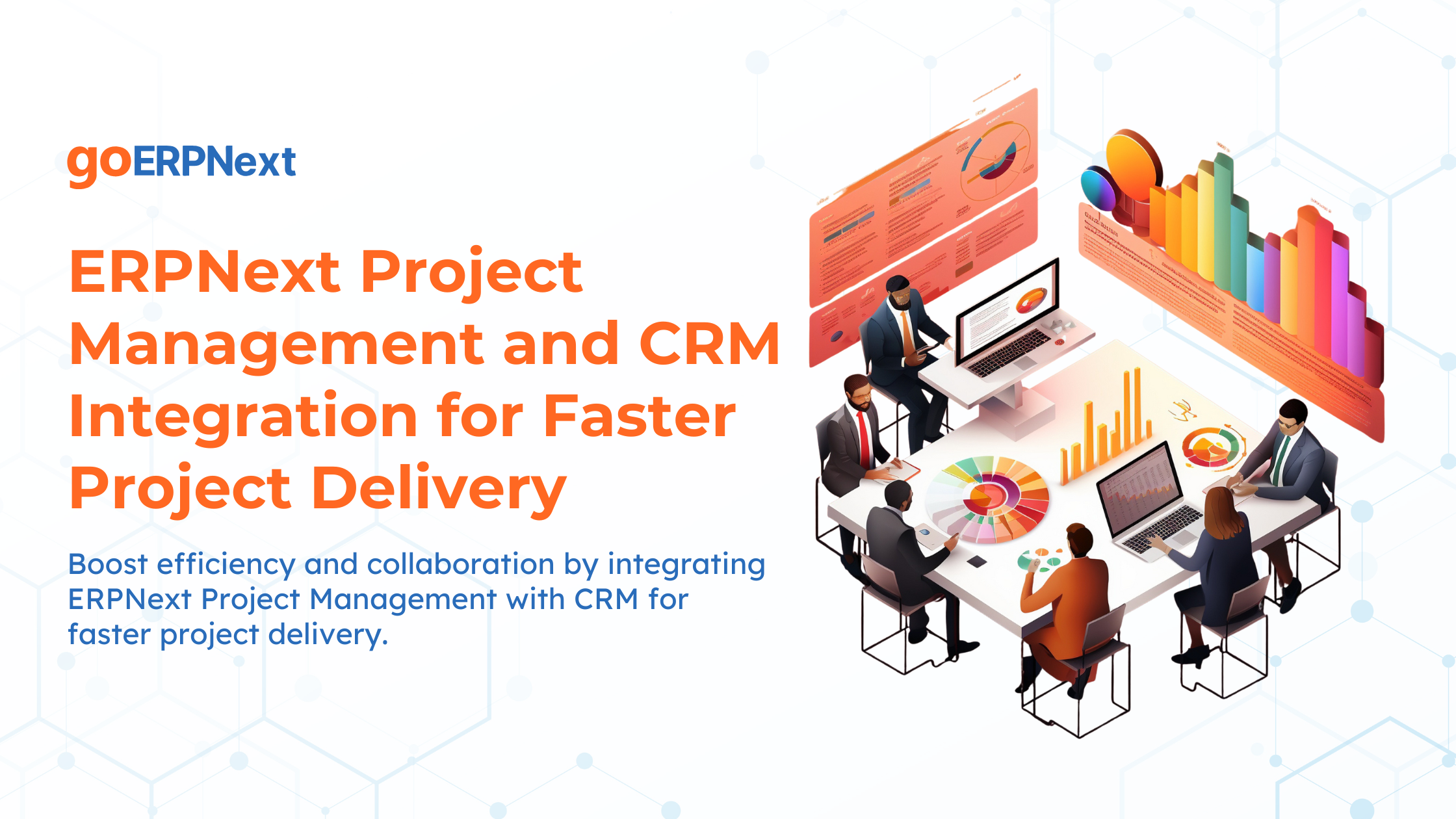
Project delays, budget overruns, and client dissatisfaction often stem from disconnected systems, where essential data for execution and finance is fractured across multiple platforms. This common operational challenge leads to significant waste of time, capital, and emotional stress for project teams who lack a unified vision. The solution lies in achieving true integration across the customer relationship and delivery lifecycle. Welcome to the future of execution: the powerful combination of a robust CRM with ERPNext Project Management capabilities, providing the single source of truth necessary to deliver projects faster, smarter, and with complete financial control.
Module Use in Project Management: Breaking Down the Silos
For businesses dedicated to execution, managing projects across siloed software—where sales, project management, and finance use separate applications—is cripplingly inefficient, leading to constant errors and delays. The solution is the integrated power of ERPNext Project Management, a comprehensive open-source ERP system built on the Frappe framework, which harmonizes critical modules like CRM, Project Management, and ERPNext Accounting to provide a single, unified source of truth and eliminate data fragmentation. This synergy allows businesses, especially those leveraging ERPNext services, to achieve unparalleled operational coherence.
1. The Customer Relationship Management (CRM) Gateway
The project’s lifecycle begins and ends with the client relationship. In ERPNext, the CRM module is the gateway. The moment a prospect becomes a customer, all communication, requirements, and contractual data captured in the CRM immediately flow into the Project module. This automated data migration eliminates manual data entry, ensures the project scope is accurately defined from Day One, and provides the project team with immediate, full context of the client’s history and needs.
2. Project Management: The Execution Hub
This module is the core of delivery. It pulls data from the CRM and feeds real-time progress updates to finance and HR. Key functions within this hub include: detailed Task Management, Timesheet tracking, Milestones, and dynamic Gantt charts. The true benefit is that every task can be linked to a budget and a resource, making project status inherently financial.
3. ERPNext Accounting: The Profitability Engine
Crucial for long-term sustainability, the Accounting module directly consumes timesheet data and material usage (from the Inventory module) to provide real-time job costing. This is where the magic of unified data happens—project profitability is calculated instantly, rather than weeks after the project concludes. This immediate visibility is a significant relief for decision-makers who currently face the stress of relying on outdated figures to gauge financial health. This tight link to ERPNext Accounting is a non-negotiable feature for fast-paced project environments.
4. Human Resources (HR): Resource Allocation and Skill Mapping
Resource allocation is a frequent project pain point. The HR module ensures that the right employee, with the correct skill set and availability, is assigned to the task. By integrating skills, leave management, and capacity planning directly with the Project module, it ensures that your team is utilized efficiently, directly translating into improved delivery speed.
This unified approach, especially for an entity seeking local expertise and reliable deployment like erpnext software, ensures that the entire project lifecycle—from initial lead to final invoice—operates within a single, consistent ecosystem, significantly enhancing speed and reducing the risk of errors and operational friction.
How to Choose the Right ERP for Your Project-Centric Business
Prioritize Integration over Features
Selecting an ERP solution requires looking beyond a mere checklist of features; the key is choosing a truly unified system where functions like sales, project execution, and finance are natively linked. This integration eliminates the costly and error-prone delays caused by manual data transfer, ensuring seamless, real-time data flow across the organization.
The Value of Open Source
For long-term agility and control, consider an open-source ERP system like ERPNext, which offers unparalleled flexibility for customization to fit unique project workflows. This architecture prevents vendor lock-in and often results in a lower total cost of ownership (TCO) compared to rigid, proprietary software.
Local Expertise and Support
While selecting a powerful global platform is essential, successful implementation hinges on local support that understands regional compliance and operational nuances. Choosing a provider of erpnext software ensures you have specialized ERPNext services and expertise nearby for reliable deployment, tailored customization, and timely assistance.
Driving Velocity: The Power of Unified Data Flow (H2)
This section details the measurable benefits of a unified platform, focusing on the core promise: delivering projects faster through unparalleled data flow and operational synergy.
1. Reduced Decision Latency
Immediate data access eliminates the professional stress of waiting days for compiled reports, empowering managers and executives to take faster, informed executive action. This direct access to real-time metrics is critical for spotting potential problems and making course corrections quickly, which prevents project delays.
2. Enhanced Client Communication
The integrated CRM provides project teams with a 360-degree view of the customer’s history, scope, and communication logs, ensuring every interaction is contextual and professional. This comprehensive knowledge base allows for proactive, context-rich client updates, enhancing trust and satisfaction.
3. Streamlining the Quote-to-Cash Cycle
By automatically linking milestones completed in the ERPNext Project Management module to the Sales and ERPNext Accounting modules, the platform accelerates the entire billing process. This automated data transfer significantly shortens the time required for invoicing and revenue recognition, dramatically improving cash flow.
Case Studies: Success Stories: Delivering Measurable Results
Explore real-world examples of how businesses utilizing integrated ERPNext solutions have achieved significant metrics like reduced delivery times, improved efficiency, and demonstrable cost savings.
Case Study 1: IT Firm Cuts Delivery Time by 20%
This success story illustrates how an IT firm achieved faster delivery by automating the project setup process directly from the CRM, eliminating initial data transfer delays and resource conflicts. Improved real-time resource visibility within ERPNext Project Management ensured optimal allocation, leading to a verifiable reduction in overall project duration.
Case Study 2: Construction Firm Boosts Profit Margin by 5%
This example demonstrates the critical financial impact of integration, where real-time tracking of materials and labor costs through ERPNext Accounting replaced delayed, manual reconciliation. Gaining immediate visibility into job costing allowed the construction company to proactively manage spending and budget deviations, resulting in a sustainable increase in profit margins.
Implementation Tips for ERP Solutions: Ensuring Success
Actionable guidance for successful deployment of a complex ERP solution, focusing on best practices for data migration, training, and strategic change management.
- Define KPIs Before Implementation: Use metrics like “time-to-invoice” as a benchmark.
- Strategic Phased Rollout: Avoiding the “big bang” approach to maximize user adoption.
- Partnership for Customization: Working with an expert provider of ERPNext services to tailor the platform.
Conclusion
The modern business landscape punishes complexity and rewards speed. The secret to delivering projects faster, reducing operational stress, and maximizing profitability is no longer a secret: it is the seamless, powerful integration of CRM and ERPNext Project Management. By unifying sales, execution, resource management, and ERPNext Accounting into a single, cohesive open-source ERP system, organizations gain the full visibility required to make instantaneous, informed decisions. This transition moves a business from reactive crisis management and data fragmentation to proactive, predictable success. For businesses ready to transform their project delivery model and secure a competitive edge, especially those seeking reliable local implementation of erpnext software the time to act is now.